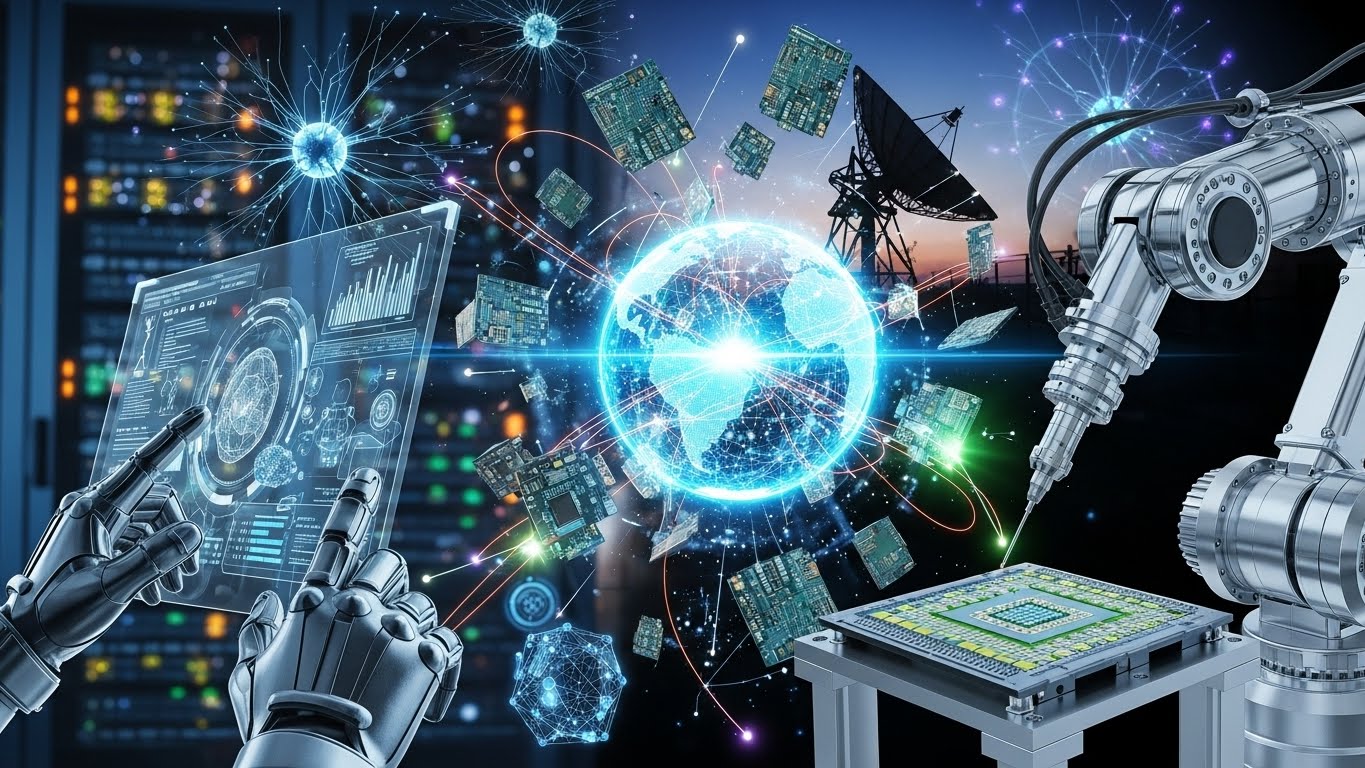

Introduction: Technology as an Invisible Companion
Technology is no longer something we consciously “use” only at specific moments. It has become an invisible companion woven into everyday life, shaping how people think, communicate, work, and even dream. From the moment an alarm rings on a smartphone to the last scroll before sleep, technology surrounds modern existence. Yet its most powerful influence is not always obvious. It operates quietly in the background, changing human behavior, redefining industries, and rewriting the rules of society. This blog explores how technology has evolved beyond tools and screens to become a defining force of the human future.
The Evolution from Machines to Ecosystems
In its early stages, technology focused on machines designed to perform single tasks. Computers calculated numbers, phones made calls, and cameras captured images. Over time, these isolated machines evolved into interconnected systems. Today, technology exists as vast ecosystems where hardware, software, data, and human interaction blend seamlessly. A smartphone is not just a device but a gateway to communication, entertainment, finance, navigation, and learning. This evolution has transformed technology from something external into something deeply integrated with human life.
Artificial Intelligence and the Age of Thinking Machines
Artificial intelligence represents one of the most transformative developments in modern technology. Unlike traditional software that follows fixed instructions, AI systems learn from data, adapt to patterns, and improve over time. This has enabled machines to recognize speech, interpret images, predict trends, and assist in decision-making. AI is no longer limited to research labs; it powers recommendation systems, virtual assistants, medical diagnostics, and financial forecasting. While AI does not replace human intelligence, it amplifies human capability, allowing people to solve complex problems faster and with greater accuracy.
Technology and the Changing Nature of Work
The workplace has undergone a dramatic transformation due to technological advancement. Automation has taken over repetitive tasks, freeing humans to focus on creativity, strategy, and problem-solving. Remote work technologies have dissolved geographical boundaries, allowing teams to collaborate across continents. Cloud computing has made powerful tools accessible to startups and individuals, not just large corporations. As a result, the definition of a career is shifting. Lifelong learning, adaptability, and digital skills have become essential for success in a technology-driven economy.
Communication in the Digital Era
Technology has revolutionized communication, shrinking the world into a global village. Messages that once took days or weeks now travel instantly. Video calls allow face-to-face interaction across vast distances, and social platforms enable people to share ideas with millions. This constant connectivity has strengthened relationships but also introduced new challenges. Information spreads rapidly, sometimes faster than it can be verified. As communication becomes more digital, the ability to think critically and communicate responsibly has become increasingly important.
Education Transformed by Innovation
Education has been reshaped by technology in profound ways. Learning is no longer confined to classrooms or rigid schedules. Digital platforms offer access to knowledge on almost any subject, enabling self-paced and personalized learning. Interactive tools, simulations, and virtual environments make complex concepts easier to understand. Technology has also democratized education, giving learners from diverse backgrounds access to resources once limited to elite institutions. The challenge now lies in ensuring that technology enhances learning rather than distracting from it.
Healthcare in the Age of Smart Technology
One of the most impactful applications of technology can be seen in healthcare. Advanced diagnostic tools, data analytics, and smart devices have improved patient care and outcomes. Wearable technology monitors vital signs in real time, allowing early detection of potential health issues. Digital records streamline medical processes, reducing errors and improving coordination among professionals. Technology has also expanded access to healthcare through remote consultations, making medical advice available to people in remote or underserved areas.
The Role of Data in Decision Making
Data has become the fuel that powers modern technology. Every interaction, transaction, and digital footprint generates information. When analyzed effectively, this data reveals patterns that help businesses, governments, and individuals make informed decisions. Data-driven insights improve efficiency, reduce waste, and enhance user experiences. However, the growing reliance on data also raises concerns about privacy and security. Balancing innovation with ethical responsibility is one of the defining challenges of the digital age.
Creativity and Technology: A New Partnership
Technology is often associated with logic and efficiency, yet it has become a powerful ally of creativity. Digital tools enable artists, writers, musicians, and designers to experiment in ways previously unimaginable. Creative ideas can be developed, shared, and refined with global audiences. Technology does not replace human creativity; instead, it expands the canvas on which imagination can operate. This partnership between creativity and technology continues to redefine art, entertainment, and storytelling.
Ethical Challenges in a Tech-Driven World
As technology becomes more powerful, ethical questions grow more complex. Issues such as data privacy, algorithmic bias, and digital inequality demand careful consideration. Decisions made by technology designers can have far-reaching social consequences. Ensuring fairness, transparency, and accountability in technological systems is essential for building trust. Ethical technology is not just a technical challenge but a human responsibility that requires collaboration between developers, policymakers, and users.
The Human Side of Technology
Despite its complexity, technology remains a human creation shaped by human values. Its purpose should always be to enhance human well-being. When designed thoughtfully, technology can foster connection, creativity, and progress. When misused, it can amplify division and inequality. Understanding this dual nature encourages a more mindful approach to innovation. Technology should serve as a tool that empowers people rather than controlling them.
The Future Shaped by Choice
The future of technology is not predetermined. It will be shaped by the choices society makes today. Emerging technologies such as advanced AI, virtual environments, and intelligent automation hold immense potential. Whether they lead to greater opportunity or deeper challenges depends on how they are guided. Education, ethics, and inclusivity will play critical roles in shaping a future where technology benefits everyone.
Conclusion: Living Beyond the Screen
Technology has moved beyond screens and devices to become a defining force of modern life. It influences how people work, learn, heal, and connect. Its impact is subtle yet profound, shaping the present and the future simultaneously. By understanding technology not just as a collection of tools but as a reflection of human ambition and responsibility, society can harness its power wisely. The true promise of technology lies not in what it can do alone, but in what humans can achieve through it when guided by purpose, ethics, and imagination.