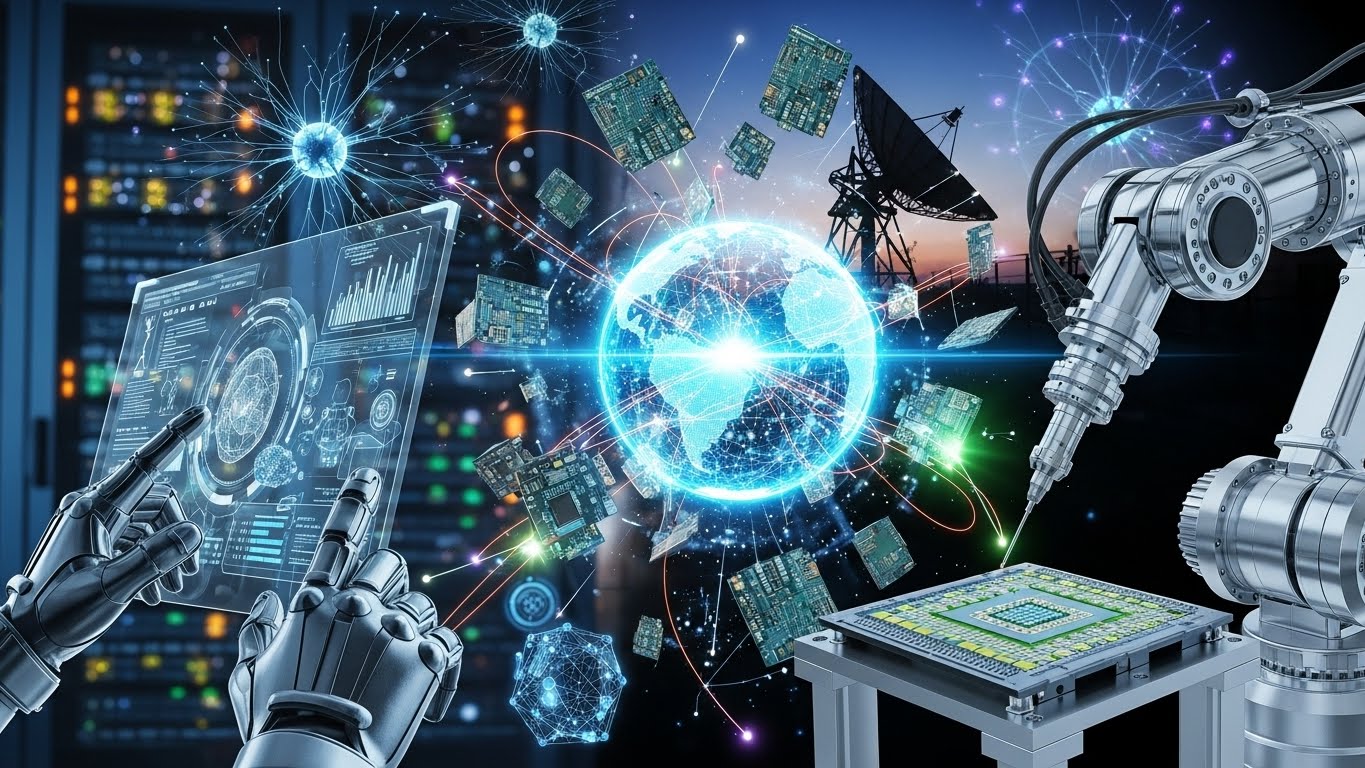
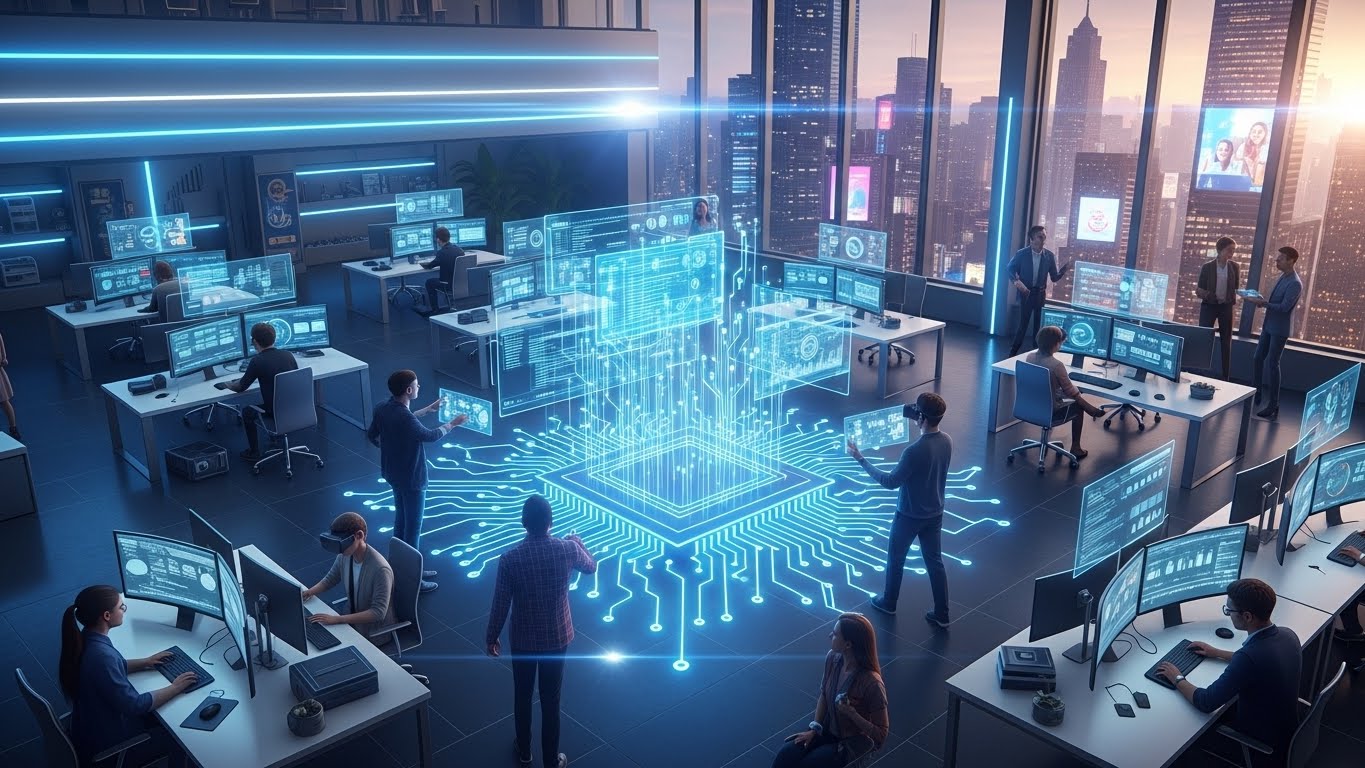
Technology is no longer just a tool; it has become an integral part of our daily lives. From the way we communicate to the way we work, travel, and even think, technology is transforming every aspect of human existence. In this blog, we will explore the current trends in technology, how they are shaping our future, and what challenges and opportunities lie ahead.
The Rise of Artificial Intelligence
Artificial intelligence, commonly referred to as AI, has moved from science fiction into the heart of our reality. AI is no longer limited to performing basic tasks; it now has the ability to learn, adapt, and make decisions. Machine learning, a subset of AI, allows computers to analyze massive amounts of data and recognize patterns that humans might miss. This technology is revolutionizing industries such as healthcare, finance, education, and transportation.
In healthcare, AI-powered tools can predict patient outcomes, suggest personalized treatments, and even assist in surgical procedures. In finance, AI algorithms analyze market trends to provide investment insights and detect fraudulent activity in real time. The impact of AI extends beyond professional domains; it is now embedded in personal assistants, smart home devices, and even our smartphones, making our lives more convenient and efficient.
However, the rise of AI also brings ethical considerations. As machines gain the ability to make decisions, questions about accountability, transparency, and bias become critical. The future of AI will depend on our ability to balance innovation with responsibility.
The Internet of Things: Connecting Everything
The Internet of Things, or IoT, is a technological revolution that connects devices, sensors, and systems to the internet, enabling seamless communication and automation. From smart refrigerators that track your groceries to wearable devices that monitor your health, IoT is creating a world where everything is interconnected.
Smart cities are a prime example of IoT in action. Sensors monitor traffic patterns, energy consumption, and public safety, allowing city planners to make data-driven decisions. This connectivity not only enhances convenience but also promotes sustainability by optimizing resources and reducing waste.
Despite its benefits, IoT comes with challenges, particularly in terms of security and privacy. Each connected device can potentially become a target for cyberattacks, and the vast amounts of personal data collected raise concerns about misuse. As IoT continues to expand, robust security protocols and data protection measures will be essential.
The Evolution of Cloud Computing
Cloud computing has transformed the way businesses and individuals store, access, and process information. Instead of relying on physical servers and local storage, cloud computing allows data to be stored remotely and accessed from anywhere in the world. This flexibility has enabled businesses to scale rapidly, reduce costs, and foster innovation.
One of the most significant advantages of cloud computing is collaboration. Teams spread across different geographical locations can work together in real time, sharing documents and applications effortlessly. Additionally, cloud platforms offer powerful analytics tools that enable organizations to extract insights from their data, improving decision-making processes.
As cloud technology evolves, we are seeing the rise of hybrid and multi-cloud environments. These solutions combine public and private cloud resources to offer greater flexibility, security, and control. The future of cloud computing will likely involve even more advanced AI integration, predictive analytics, and edge computing, where data processing occurs closer to the source for faster and more efficient results.
Blockchain Beyond Cryptocurrency
Blockchain technology is often associated with cryptocurrencies, but its potential extends far beyond digital money. At its core, blockchain is a decentralized and immutable ledger that ensures transparency, security, and trust in digital transactions. This makes it suitable for applications ranging from supply chain management to voting systems and healthcare records.
In supply chain management, blockchain can track products from origin to destination, ensuring authenticity and reducing the risk of fraud. In healthcare, patient records can be securely stored and shared between providers without compromising privacy. Even governments are exploring blockchain to improve transparency and reduce corruption in public services.
While blockchain offers many benefits, it also faces hurdles such as scalability, energy consumption, and regulatory challenges. Overcoming these obstacles will be key to unlocking its full potential and integrating it into mainstream applications.
Quantum Computing: The Next Frontier
Quantum computing represents a fundamental shift in computing power. Unlike classical computers that process information in binary bits, quantum computers use qubits, which can represent both 0 and 1 simultaneously. This property allows quantum computers to perform complex calculations at unprecedented speeds.
Quantum computing has the potential to revolutionize fields such as cryptography, drug discovery, climate modeling, and artificial intelligence. Problems that would take classical computers millions of years to solve could be tackled in mere seconds with quantum systems. Researchers are already exploring quantum algorithms that could optimize logistics, enhance machine learning, and even simulate molecular interactions for medical breakthroughs.
Despite its promise, quantum computing is still in its early stages. Technical challenges such as qubit stability, error correction, and hardware limitations need to be addressed before it becomes widely practical. Nevertheless, the progress made in recent years indicates that quantum computing will play a significant role in shaping the future of technology.
Augmented Reality and Virtual Reality: Blurring the Lines
Augmented reality (AR) and virtual reality (VR) are changing the way we experience digital content. AR overlays digital information onto the real world, while VR immerses users in entirely virtual environments. Together, these technologies are transforming entertainment, education, healthcare, and even commerce.
In gaming and entertainment, AR and VR provide immersive experiences that engage users like never before. In education, virtual classrooms and interactive simulations allow students to explore concepts in a hands-on manner. Healthcare professionals use AR for surgical training and patient rehabilitation, enhancing precision and outcomes. Retailers leverage AR to let customers virtually try products before purchasing, improving shopping experiences.
As AR and VR hardware becomes more affordable and content creation tools improve, these technologies will become mainstream. The integration of AI and haptic feedback will further enhance immersion, creating experiences that blend the digital and physical worlds seamlessly.
Cybersecurity in the Age of Digital Transformation
As technology advances, the need for robust cybersecurity becomes increasingly critical. Cyberattacks are becoming more sophisticated, targeting individuals, corporations, and governments alike. Protecting sensitive data and maintaining trust in digital systems is paramount.
Modern cybersecurity involves a multi-layered approach, including encryption, threat detection, firewalls, and user education. AI-driven security systems can analyze patterns, detect anomalies, and respond to threats in real time. Blockchain can also play a role in enhancing security by providing tamper-proof records.
However, cybersecurity is not just a technical challenge; it is also a human one. Social engineering attacks, such as phishing, exploit human behavior rather than software vulnerabilities. Continuous education, awareness, and a culture of security are essential to complement technological measures.
Sustainability Through Technology
Technology is increasingly being harnessed to address environmental challenges. From renewable energy solutions to smart agriculture, innovations are helping create a more sustainable future. Solar and wind energy technologies are becoming more efficient and affordable, reducing reliance on fossil fuels. IoT sensors and AI algorithms optimize water usage, energy consumption, and crop yields, minimizing waste and environmental impact.
Electric vehicles, powered by advanced batteries and charging networks, are reducing carbon emissions in the transportation sector. Smart grids balance energy supply and demand, ensuring efficiency and stability. Even data centers are being redesigned to reduce energy consumption and utilize renewable sources.
The integration of technology and sustainability is not just beneficial for the planet; it is also economically advantageous. Companies that adopt green technologies often see cost savings, improved brand reputation, and access to new markets. The future of technology is closely linked to environmental stewardship, and innovation will play a central role in achieving sustainable development goals.
The Human Factor: Technology and Society
While technology offers immense benefits, it also has profound implications for society. Automation and AI are transforming the workforce, eliminating certain jobs while creating new opportunities. Digital communication has changed social interactions, education, and access to information. However, it has also raised concerns about privacy, mental health, and the digital divide.
As technology becomes more integrated into our lives, it is essential to maintain a human-centered approach. Ethical considerations, inclusive design, and responsible innovation should guide technological development. Balancing efficiency and convenience with human values will determine how positively technology shapes our society.
Conclusion: Embracing the Future
The pace of technological innovation shows no signs of slowing. Artificial intelligence, IoT, cloud computing, blockchain, quantum computing, AR and VR, cybersecurity, and sustainability are just some of the areas driving the transformation of our world. Each advancement brings opportunities, challenges, and responsibilities.
The future of technology is not merely about gadgets and software; it is about shaping human experiences, solving global problems, and redefining the way we live and work. By embracing innovation responsibly, fostering collaboration, and prioritizing ethical considerations, we can ensure that technology continues to enhance our lives while addressing the challenges of the modern world.
Technology is a mirror reflecting human ingenuity and creativity. It challenges us to imagine possibilities beyond the present and inspires us to create a better, more connected, and sustainable future. The key is to navigate this journey thoughtfully, ensuring that progress serves humanity and leaves a lasting positive impact on generations to come.