Introduction: The Unseen Pulse of Modern Technology
Technology has always been a backbone of human progress, but today it carries a unique invisibility. Much of what powers our digital lives happens quietly in the background, humming beneath interfaces, silently anticipating our needs, and smoothing out the rough edges of daily routines. From smart assistants that decode our patterns to edge computing that pushes intelligence to devices we barely notice, modern tech is more than just gadgets on shelves. It has become an ecosystem woven into the fabric of life.
In this blog, we will explore how several emerging and maturing technologies are transforming our world in subtle yet powerful ways. The goal is not to overwhelm with jargon, but to showcase how these innovations intertwine with our time, productivity, emotions, and environment.
The Rise of Ambient Computing
Ambient computing refers to technology that blends seamlessly into our environment. Unlike the early days of digital interaction, when computers demanded our full attention, ambient systems do their work quietly. Smart thermostats learn when to cool your home. Intelligent lighting adjusts automatically to your presence. Voice assistants trigger actions without you pressing a single button.
This shift represents a major leap in how we interact with machines. The future is not screens but senses. Devices are moving from being tools we operate to companions that understand context. The ultimate vision is to eliminate friction: instead of thinking about how to use the technology, we simply experience its benefits.
Edge Computing: Bringing Intelligence Closer
While cloud computing revolutionized the ability to process massive data, edge computing pushes decision-making closer to the source. Imagine a self-driving car waiting for cloud instructions before stopping. Latency would be disastrous. Instead, vehicles use onboard computing power to interpret sensor input instantly.
Edge computing is the unsung hero behind the quick reflexes of modern systems. It powers many silent conveniences such as:
- Security cameras that identify motion without streaming constantly
- Smartwatches that monitor health metrics in real time
- Retail checkout systems that scan, detect, and process purchases automatically
The advantage is speed, privacy, and reliability. As more of our devices become “smart,” edge computing ensures they remain responsive even without a strong internet connection.
Artificial Intelligence That Thinks Beyond Commands
Artificial intelligence is no longer confined to performing tasks after being explicitly programmed. Today’s AI learns patterns, predicts needs, and adapts to individual users. Recommendation systems in entertainment and shopping platforms are examples, but they only scratch the surface.
The next wave of AI focuses on emotional intelligence. Models now interpret tone, sentiment, and even micro-behaviors. This helps companies design interfaces that respond with empathy, making digital interactions feel more human.
Another critical application is in healthcare. AI supports early detection of diseases by scanning large datasets of symptoms and medical images, highlighting irregularities that human eyes might miss. The result is quicker diagnosis and more personalized treatment plans.
What makes modern AI revolutionary is not merely its ability to compute but its capability to understand.
The Quiet Revolution of Automation
Automation often sparks debates about job displacement, but it also plays a crucial role in enhancing productivity, reducing errors, and enabling humans to focus on creative work. The new wave of automation extends far beyond factory floors into areas like finance, logistics, customer service, and even agriculture.
Micro-automation systems work silently to optimize daily business functions. Email filters categorize messages with near-perfect accuracy. Chat systems route queries to correct departments. Inventory systems reorder stock before shortages occur.
Automation is evolving from replacing tasks to enhancing them. It acts as a partner, not a competitor, giving humans more mental space to innovate and problem-solve.
The Empowerment of Citizen Developers
Not long ago, building software required extensive technical expertise. Today, low-code and no-code platforms empower almost anyone to develop applications, automate workflows, or design websites. This democratization of tech is closing the gap between creativity and execution.
Employees in marketing, operations, or customer service can build tools tailored to their needs without waiting for developer bandwidth. This shift fuels a new culture where solutions arise directly from the people who understand the problems best.
The empowerment of citizen developers is one of the most exciting transformations because it turns technology creation into a universal skill rather than a niche profession.
The Sustainability Shift in Technology
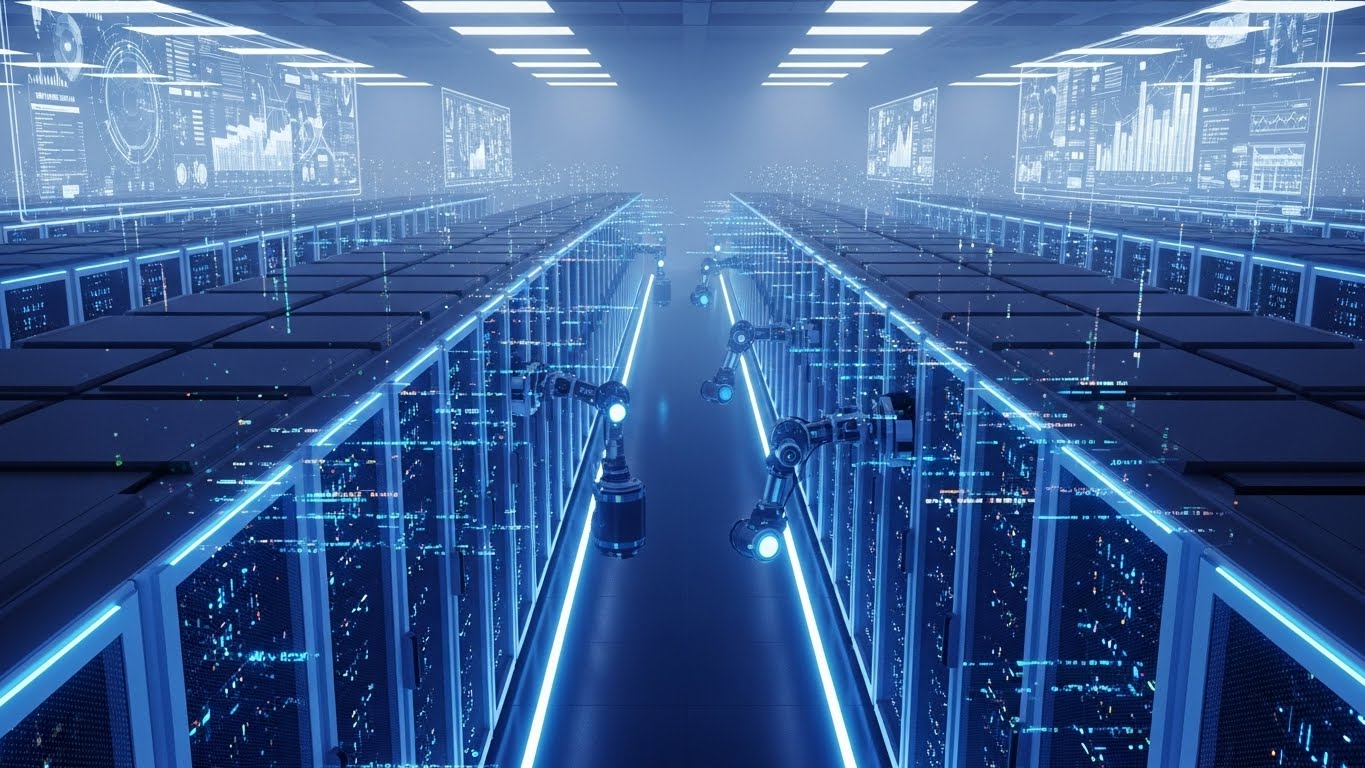
An important evolution in the tech world is its growing commitment to sustainability. As digital systems scale, so does their energy consumption. The industry is now actively seeking ways to reduce environmental impact, from designing efficient chips to using renewable energy in data centers.
Sustainable technology is not just about reducing carbon footprints. It also encompasses:
- Devices designed for longer lifespans
- Modular components that allow easy repair
- Materials sourced responsibly
- Software that optimizes energy usage
This movement aligns technological advancement with environmental responsibility, ensuring progress does not come at the cost of the planet.
The Rise of Ethical Tech Movements
Technology affects society deeply, so ethics has taken center stage. Questions surrounding data privacy, algorithmic bias, and responsible AI deployment are now part of mainstream conversations.
Companies and researchers are more aware than ever of the need to design technology that aligns with fairness and transparency. Efforts include:
- Clearer data usage policies
- Bias detection in algorithms
- Rules preventing misuse of facial recognition
- Ensuring digital access for underprivileged communities
Ethical tech ensures innovation does not leave humanity behind. It focuses on how tools shape society, not just how well they function.
Digital Wellness: Balancing Screen Time and Sanity
As technology becomes more immersive and omnipresent, concerns about mental health and digital wellbeing rise. The same systems that enhance productivity can also cause burnout if not managed mindfully.
Digital wellness technologies help cultivate healthier relationships with devices. Features like screen time monitoring, mindful break reminders, and app usage analytics encourage users to set boundaries.
Wearables now track stress levels and recommend breathing exercises. Wellness apps help disconnect with guided meditation. Technology is thus playing a dual role: it challenges our attention but also provides tools to protect it.
The Future Workplace: Hybrid Spaces and Virtual Collaboration
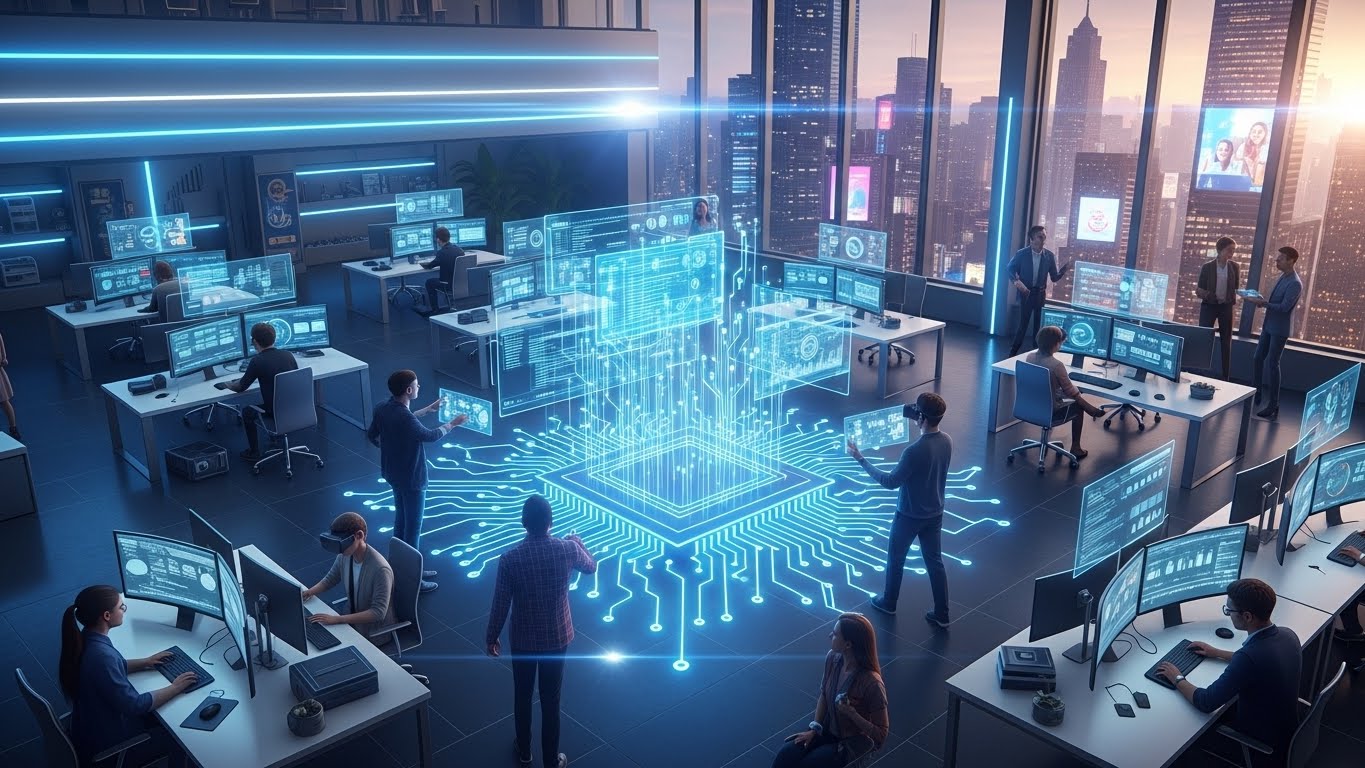
The nature of work has transformed drastically. Hybrid models — blending in-office and remote work — are now the norm, supported by a suite of collaborative technologies. Virtual spaces bring colleagues together from different continents as though they share the same room.
The modern workplace thrives on tools that integrate communication, project management, automation, and analytics. Intelligent meeting systems summarize discussions, highlight action items, and sync them automatically.
The next evolution could include immersive virtual environments where teams meet as avatars in digital offices. Work will no longer be tied to geography but to seamless connectivity.
Human-Centric Technology: Designing for Real Life
The most impactful technologies of today share one philosophy: they are built around human needs. Instead of forcing users to adapt to machines, designers strive to make systems intuitive, accessible, and emotionally resonant.
This includes interfaces with fewer steps, devices usable by people with disabilities, and features that reduce cognitive load. Technology becomes meaningful when it fades into the background while enabling people to live more comfortably, creatively, and confidently.
Conclusion: The Beauty of Invisible Innovation
We often associate technological advancement with flashy announcements, futuristic gadgets, or complex systems. But the real breakthroughs are happening in subtle ways — through intelligence embedded in everyday objects, through automation that saves us hours, and through interfaces that understand not just our words but our intentions.
The future of technology is not loud. It is quiet, adaptive, anticipatory, and deeply personal. It blends into life rather than interrupting it. And as it does, it reshapes the world in ways we can feel even if we cannot always see.
Technology may be invisible today, but its impact is more vivid than ever.