Introduction: Technology as the Driving Force of Change
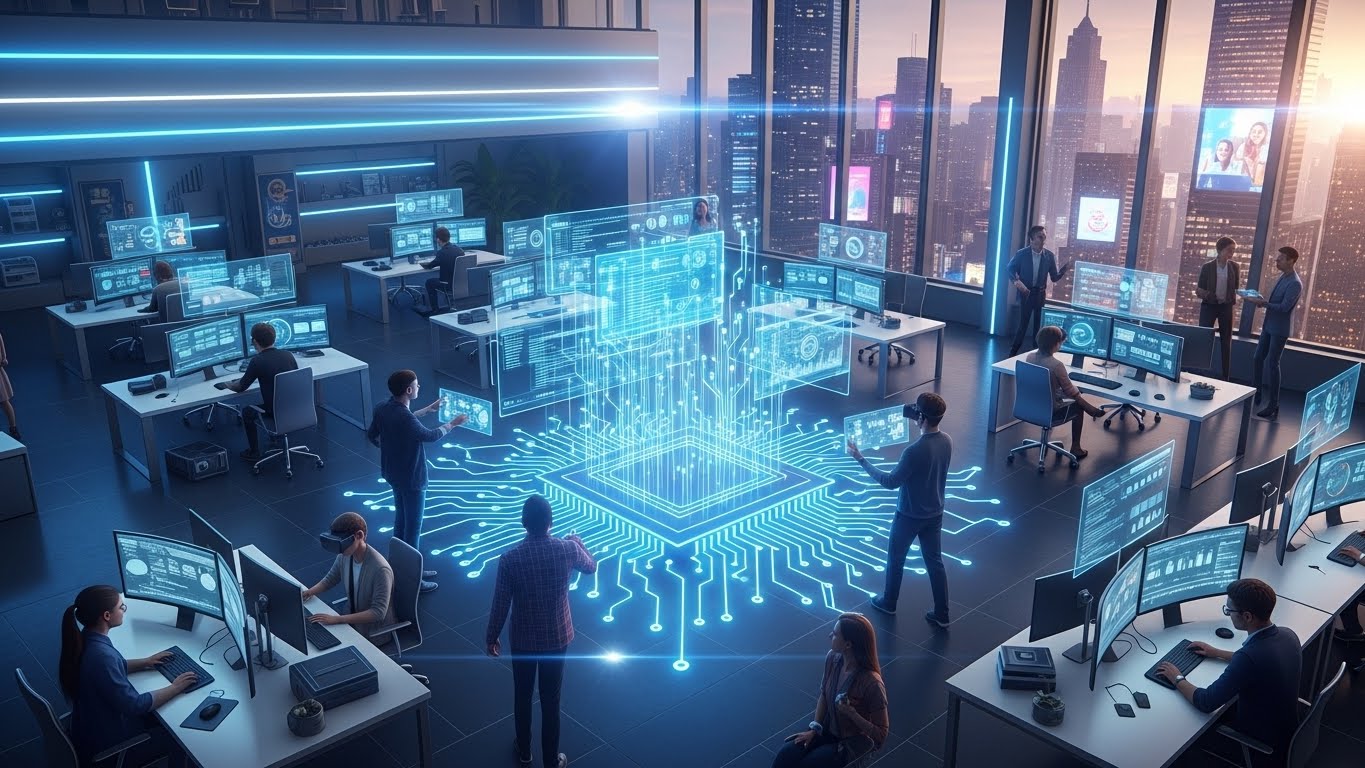
Technology has become an inseparable part of modern life. From the smartphones in our pockets to advanced artificial intelligence systems guiding complex decision-making, technology is shaping the way we live, work, and interact. It is not just a tool for convenience; it has become the backbone of economies, the driver of innovation, and a lens through which society views progress. As the pace of technological development accelerates, understanding its impact is essential for both individuals and organizations seeking to navigate the complexities of the modern world. Technology influences education, healthcare, entertainment, communication, and even global policy, making it one of the most powerful forces shaping human civilization.
The Evolution of Technology: From Tools to Digital Ecosystems
The history of technology is a story of human ingenuity. Early innovations like the wheel, the printing press, and simple machinery transformed daily life and society. The Industrial Revolution introduced electricity, mechanization, and mass production, laying the foundation for the modern world. The 20th century saw the rise of computers, the internet, and telecommunications, connecting the globe in ways that were previously unimaginable. Today, technology is no longer isolated to individual devices—it forms vast digital ecosystems where AI, IoT, cloud computing, and mobile technologies intersect. This evolution reflects humanity’s ongoing quest for efficiency, understanding, and expansion of knowledge.
Artificial Intelligence and Machine Learning: Redefining Possibilities
Artificial intelligence (AI) is at the forefront of technological innovation. AI systems process enormous amounts of data, recognize patterns, and make predictions with unprecedented accuracy. Machine learning, a subset of AI, allows systems to improve over time without human intervention. These technologies are revolutionizing fields such as healthcare, where AI assists in diagnostics and personalized treatment plans, and finance, where it predicts market trends. Everyday applications, including virtual assistants and recommendation algorithms, demonstrate AI’s growing role in daily life. While the potential of AI is vast, it also presents challenges related to ethics, privacy, and workforce displacement that must be carefully managed.
The Internet of Things: Connecting the World
The Internet of Things (IoT) is transforming how devices communicate and operate. IoT encompasses smart homes, wearable technology, connected vehicles, and industrial sensors, all of which collect and share data. Smart thermostats, for example, optimize energy use, while IoT-enabled medical devices monitor patient health in real-time. In industrial settings, predictive maintenance powered by IoT prevents equipment failures and reduces costs. IoT technology is creating intelligent, interconnected environments that enhance efficiency, safety, and convenience. However, as devices multiply, cybersecurity and privacy concerns become increasingly significant, requiring robust strategies to protect sensitive data.
Cloud Computing: The Backbone of the Digital Era
Cloud computing has revolutionized how data and applications are accessed, stored, and managed. By moving infrastructure to the cloud, organizations reduce costs, increase scalability, and enhance collaboration. Cloud services enable remote work, global collaboration, and on-demand access to powerful computing resources. Individuals benefit as well, with cloud-based storage, productivity tools, and digital platforms accessible from virtually anywhere. The widespread adoption of cloud computing has driven digital transformation across industries, democratizing access to technology and leveling the playing field for businesses of all sizes.
5G and Next-Generation Connectivity
High-speed, reliable connectivity is essential for modern technology. Fifth-generation networks, or 5G, promise faster speeds, ultra-low latency, and the capacity to support billions of connected devices. This next-generation connectivity enables innovations such as autonomous vehicles, telemedicine, smart cities, and augmented reality experiences. 5G enhances both personal and professional interactions, allowing instant communication and real-time data processing. As connectivity continues to evolve, it will expand opportunities for innovation, transform industries, and redefine the ways individuals engage with technology.
Cybersecurity: Safeguarding the Digital World
With increased reliance on technology comes the critical need for cybersecurity. Every digital system is potentially vulnerable to cyberattacks, which can compromise personal, corporate, and governmental data. Cybersecurity involves measures such as encryption, multi-factor authentication, firewalls, and threat monitoring to protect sensitive information. Beyond technology, it also encompasses governance, ethics, and user awareness. Ensuring robust cybersecurity is essential for building trust in digital systems, maintaining privacy, and safeguarding the innovations that technology provides.
Technology in Healthcare
Healthcare has been transformed by technology in extraordinary ways. Telemedicine enables remote consultations, improving access to medical care in underserved regions. AI-powered diagnostics assist doctors in identifying diseases earlier and creating personalized treatment plans. Wearable devices monitor heart rate, activity levels, and other health metrics in real time, empowering individuals to take proactive steps toward wellness. Robotic surgery enhances precision, reducing recovery times and improving outcomes. These technological advances not only improve patient care but also enhance efficiency, accessibility, and quality across the healthcare sector.
Education and E-Learning
Technology has reshaped education, providing learners with unprecedented access to knowledge and resources. Online courses, virtual classrooms, and digital learning platforms allow education to transcend geographical barriers. Interactive tools, gamified learning apps, and AI-powered tutoring systems provide personalized learning experiences that cater to individual needs. Technology also fosters global collaboration, connecting students, teachers, and experts from around the world. By integrating digital tools, education becomes more engaging, adaptive, and accessible, preparing learners for careers in a technology-driven future.
The Workplace and Productivity
The workplace has been fundamentally altered by technology. Automation streamlines repetitive tasks, freeing employees to focus on strategic and creative work. Collaboration tools, video conferencing, and cloud-based software enable seamless remote work, connecting teams across the globe. AI assists with data analysis, decision-making, and project management, enhancing productivity and efficiency. Technology empowers organizations to innovate faster, adapt to changing market demands, and remain competitive. At the same time, workers must continuously develop digital skills to thrive in an evolving environment.
Entertainment and Media in the Digital Age
The entertainment industry has been reshaped by digital technology. Streaming platforms, virtual reality, gaming, and interactive media have transformed how people consume and engage with content. Audiences can access entertainment on demand, participate in immersive experiences, and connect with global fan communities. Content creators benefit from digital production tools that allow experimentation, innovation, and global distribution. The convergence of technology and media enhances interactivity, personalization, and accessibility, creating entirely new forms of storytelling and audience engagement.
Sustainable Technology and Green Innovation
Sustainability is increasingly a focus of technological innovation. Renewable energy technologies, energy-efficient systems, smart grids, and eco-friendly materials aim to reduce environmental impact. Smart cities utilize technology to optimize transportation, energy use, and waste management. IoT and AI support sustainable agriculture, resource management, and conservation efforts. By integrating sustainability into technological development, society can address climate challenges while fostering innovation that benefits both people and the planet.
Ethics and Responsibility in Technology
The rapid advancement of technology raises ethical considerations that cannot be ignored. Issues such as data privacy, algorithmic bias, surveillance, and the impact of automation require careful attention. Technology developers, regulators, and society must balance innovation with responsibility, ensuring that progress does not come at the expense of fairness, equity, or human rights. Ethical frameworks, regulations, and public awareness are crucial for guiding the development of technology in a way that maximizes benefits while minimizing potential harm.
The Future of Technology
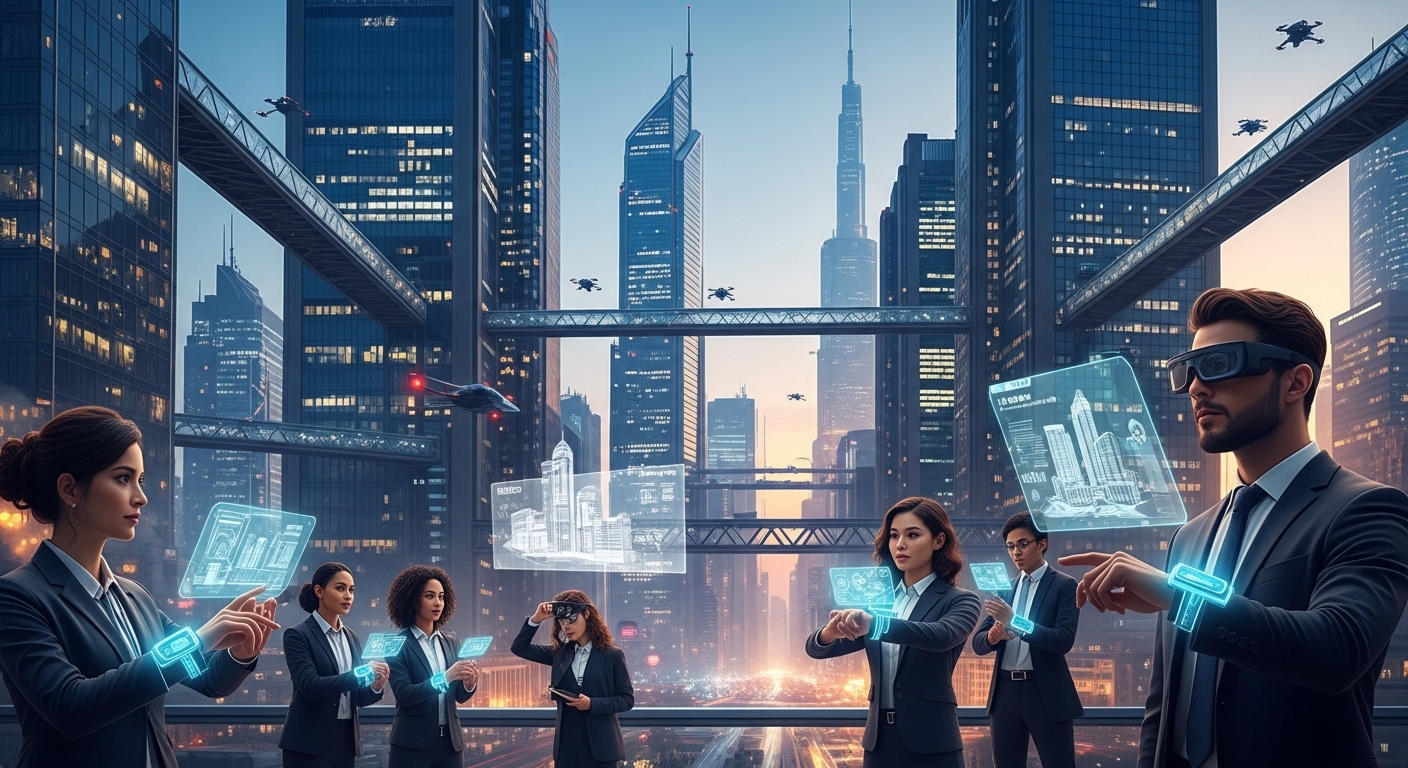
Looking forward, technology promises continued transformation in every aspect of life. Quantum computing, AI, biotechnology, advanced robotics, and immersive realities will redefine how humans work, learn, and interact. Smart cities, autonomous systems, and personalized services will create unprecedented convenience and efficiency. The future will also demand human adaptability, creativity, and ethical decision-making to ensure that technology serves society positively. Those who can harness the potential of emerging technologies responsibly will be at the forefront of shaping a better, more connected, and innovative world.
Conclusion: Embracing the Technological Era
Technology has become the defining force of the modern world, influencing economies, societies, and daily life. It empowers creativity, enhances productivity, connects people globally, and drives innovation at an unparalleled pace. However, this power comes with responsibilities—ensuring security, ethics, sustainability, and inclusivity. Embracing technology thoughtfully allows society to maximize its benefits while mitigating risks. As we move further into the digital age, technology will continue to shape humanity’s future, creating opportunities, solving problems, and redefining what is possible for generations to come.